
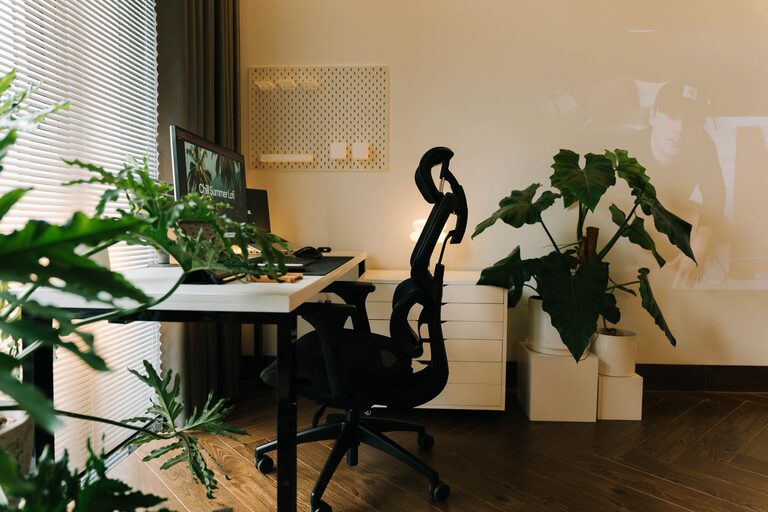
Creating a relaxing home office environment is essential for maintaining focus, reducing stress, and enhancing overall productivity. Whether you work remotely full-time or just need a dedicated area to handle occasional tasks, a well-designed space can make a big difference in your day-to-day workflow and well-being.
In this guide, we’ll explore practical tips to help you create a calm, comfortable workspace that supports your work style and promotes relaxation.
1. Choose the Right Location
Selecting the perfect spot for your home office is the first step toward a peaceful workspace.
– Quiet and Low-Traffic Area: Find a location away from daily distractions like the living room or kitchen. A spare bedroom, a corner nook, or even a section of the basement can work well.
– Natural Light: Try to set up near a window to take advantage of natural sunlight. It helps improve mood and reduces eye strain.
– Space Considerations: Ensure the area has enough room for essential furniture and allows you to move without feeling cramped.
2. Invest in Comfortable Furniture
Comfort is key for long hours of work.
– Ergonomic Chair: Choose a chair that provides good lumbar support and encourages proper posture.
– Desk Space: Your desk should be the right height, and large enough to hold your computer, accessories, and workspace essentials.
– Adjustable Furniture: Consider an adjustable desk or monitor stands to reduce neck and back tension.
3. Declutter and Organize
A tidy space promotes a clear mind.
– Daily Tidying: Spend a few minutes at the end of each day to clear your workspace.
– Storage Solutions: Use drawers, shelves, or boxes to keep papers and supplies organized.
– Minimalism: Keep only what you need on your desk to maintain a clean look.
4. Use Soothing Colors and Natural Elements
Colors influence mood and productivity.
– Calming Palette: Soft neutrals, blues, and greens can create a tranquil environment.
– Natural Materials: Incorporate wood, plants, or stone décor to bring warmth and a connection to nature.
– Plants: Adding greenery improves air quality and creates a peaceful ambiance.
5. Control Lighting
Proper lighting helps reduce eye fatigue and creates a comfortable atmosphere.
– Layered Lighting: Combine overhead lights with task lighting like a desk lamp.
– Adjustable Brightness: Use dimmers or lamps with adjustable brightness to change the light intensity depending on the time of day or work task.
– Avoid Glare: Position screens and lights to minimize glare on your monitor.
6. Manage Noise Levels
Noise can be a major distraction, so it’s useful to control your environment.
– Noise-Canceling Headphones: Great for focusing in a noisy household.
– Soft Background Music: Instrumental or nature sounds can improve concentration without distraction.
– Soundproofing: Adding rugs, curtains, or acoustic panels can reduce echo and outside noise.
7. Personalize Your Space
Adding personal touches can make your office more inviting.
– Decor Items: Use artwork, inspirational quotes, or meaningful objects to create a positive vibe.
– Comfort Items: A cozy blanket, scented candles, or a diffuser with calming essential oils can help you feel relaxed.
– Vision Board: Setting up a board with goals or ideas can keep you motivated.
8. Maintain Air Quality
Good air circulation promotes alertness and comfort.
– Ventilation: Open windows when possible to let fresh air in.
– Air Purifiers: Consider a small air purifier if air quality is a concern.
– Plants: In addition to decor, certain plants naturally improve indoor air quality.
9. Take Breaks and Move
A relaxing office environment also encourages healthy work habits.
– Scheduled Breaks: Use timers or apps to remind you to step away from your desk regularly.
– Stretching and Movement: Stand up, stretch, or walk around to reduce stiffness and refresh your mind.
– Relaxation Spots: If possible, have a nearby chair or corner for short breaks or meditation.
Conclusion
Transforming your home office into a relaxing environment doesn’t require a complete overhaul. By focusing on location, comfort, organization, lighting, and personal touches, you can create a space that supports both productivity and well-being. Remember to prioritize your comfort and adjust your setup as needed—your workspace should work for you, allowing you to focus, feel calm, and enjoy your work-from-home experience.