
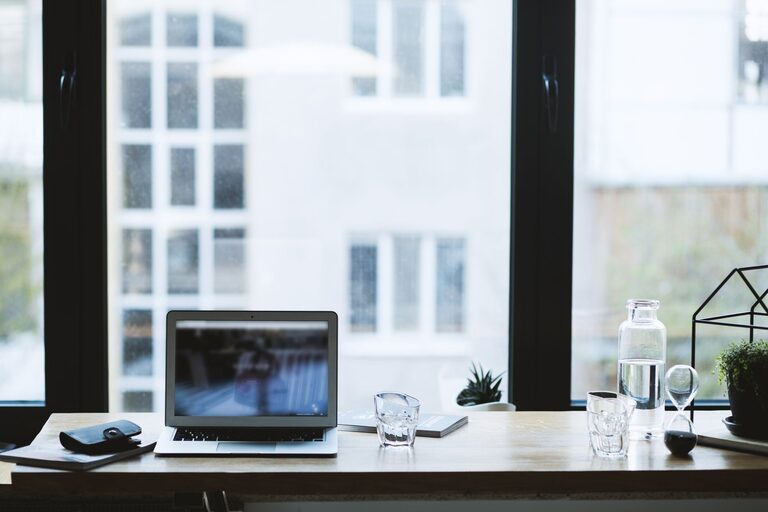
Creating a productive home office environment is essential for staying focused, motivated, and efficient while working remotely. Whether you’re a freelancer, remote employee, or simply need a dedicated workspace at home, setting up the right environment can make a huge difference in your daily routine and overall work satisfaction.
In this post, we’ll explore effective tips and strategies to help you create a home office that supports productivity, comfort, and balance.
Why a Dedicated Home Office Matters
Having a specific area designated for work helps establish boundaries between your professional and personal life. It signals to your brain that it’s time to focus when you enter the space and allows you to leave work behind when you step away. A well-designed home office also reduces distractions, improves posture, and encourages good work habits.
Choose the Right Location
Consider Natural Light
Try to set up your office near a window to take advantage of natural light. Sunlight helps improve mood and energy levels throughout the day. However, be mindful of glare on screens and position your desk accordingly.
Minimize Noise and Distractions
Find a quiet spot away from high-traffic areas, loud appliances, or noisy neighbors. If space is limited, noise-canceling headphones or white noise machines can help you concentrate.
Think About Privacy
If you share your living space with others, choose a room or nook where you can work without interruptions. A door that closes can create a sense of separation and reduce distractions.
Invest in Comfortable, Functional Furniture
Ergonomic Chair and Desk
Your chair and desk are the foundation of a comfortable workspace. Choose an adjustable chair with good lumbar support and a desk at a height that allows your arms to rest comfortably while typing. Standing desks or desk converters are an option if you want to alternate between sitting and standing.
Organize Storage
Use shelves, drawers, and organizers to keep your workspace tidy and clutter-free. Having a place for everything makes it easier to focus and find what you need quickly.
Add Personal Touches
Incorporate elements that inspire and relax you, such as plants, artwork, or photos. Just be careful not to overcrowd your desk with distractions.
Optimize Your Technology Setup
Reliable Internet Connection
A fast and stable internet connection is key for video calls, cloud work, and online research. Consider upgrading your router or using a wired connection if Wi-Fi is unreliable.
Quality Equipment
Invest in a good computer, keyboard, mouse, and monitor that reduce eye strain and fatigue. Consider a separate monitor if you work on a laptop to improve screen space and ergonomics.
Manage Cables
Use cable organizers or clips to keep cords untangled and out of sight. A clean setup helps reduce stress and prevents accidental disconnects.
Establish Effective Work Habits
Set a Routine
Start and end your workday at consistent times to create structure. Include breaks for stretching, hydration, and rest to maintain focus and energy.
Limit Distractions
Turn off non-work-related notifications on your phone and computer during work hours. Use apps or tools that block distracting websites, if necessary.
Use a Task List
Write down daily and weekly goals to stay organized and prioritize your work. Checking off tasks provides a sense of accomplishment.
Enhance Lighting and Air Quality
Add Task Lighting
Besides natural light, use a desk lamp with adjustable brightness to reduce eye strain during evening hours.
Keep Air Fresh
Open windows or use air purifiers to maintain fresh air circulation. Good air quality helps you stay alert and comfortable.
Encourage Movement and Breaks
Take Regular Breaks
Brief breaks every hour to stand up, stretch, or walk help reduce physical strain and refresh your mind.
Incorporate Mini Workouts
Try quick exercises or yoga poses to relieve tension and improve circulation during the day.
Final Thoughts
Creating a productive home office environment takes a bit of planning and investment, but the benefits are well worth it. By carefully selecting your workspace, investing in comfortable furniture, optimizing technology, and fostering good work habits, you can transform your home office into a space that supports your best work.
Remember, the ideal setup will vary for different people, so feel free to experiment and adjust your environment until you find what works best for you. Here’s to a more productive and enjoyable work-from-home experience!